

toughened glass price 8mm
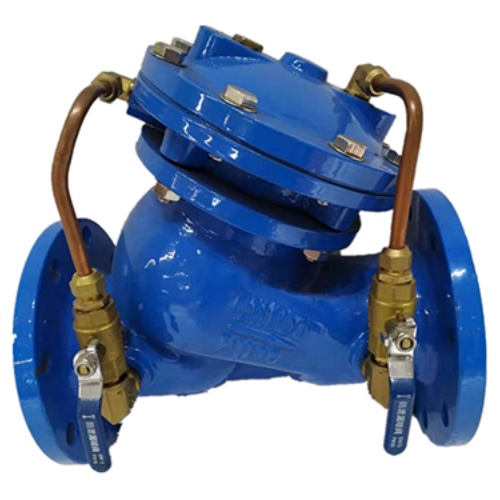
Understanding Gate Valves The Essential Component of Three-Way Systems Gate valves are critical components in various industrial applications, providing reliable control over fluid flow. Among the various types of valves used in piping systems, the gate valve stands out for its ability to create a tight seal and its straightforward operation. A three-way gate valve combines the functions of a standard gate valve with the ability to divert flow between two different paths, making it essential in many applications. The Basics of Gate Valves Gate valves are designed primarily for on-off control. They consist of a valve body, a gate, and a stem that connects the gate to an external actuator or handle. When the valve is fully opened, the gate retracts and allows fluid to flow freely through the valve. When closed, the gate is seated against the valve body, creating a tight seal that minimizes leakage. This makes gate valves an excellent choice for applications where minimal pressure drop is required when the valve is open. One of the significant advantages of gate valves is their simplicity. They can be operated manually or automatically, depending on the application's requirements. However, they are not designed for throttling purposes, as partially opening a gate valve can cause turbulence and contribute to valve and pipeline wear. The Three-Way Configuration The three-way gate valve is a sophisticated variation designed to control and redirect fluid flow within a piping system. It has three ports one inlet and two outlets, allowing for diverse flow path configurations. Depending on the position of the gate, the valve can either allow flow from the inlet to one of the outlets or to the other. This makes it an invaluable component in systems where fluid direction needs to be changed frequently or where multiple distribution paths are necessary. Three-way gate valves are commonly used in applications such as 1. Chemical Processing In chemical plants, precise fluid control is crucial. Three-way gate valves enable operators to redirect chemicals between different processing tanks or processes without needing to manually switch pipes or use multiple valves. 2. Water and Wastewater Treatment In water treatment facilities, these valves facilitate the routing of water to different treatment stages or storage tanks, enhancing operational efficiency. gate valve 3 way 3. Oil and Gas The oil and gas industry often employs three-way gate valves to control the flow of oil, gas, or water in various extraction and refining processes. Key Considerations When Using Three-Way Gate Valves When selecting a three-way gate valve for a specific application, several important factors should be taken into account - Material The valve material must be compatible with the fluid being transported. Common materials include stainless steel, bronze, and PVC, depending on the chemical properties of the fluid. - Pressure Ratings Understanding the pressure requirements is essential. Ensure that the selected gate valve can withstand the operational pressures without risk of failure. - Size and Flow Rate Choose a valve size that matches the pipeline diameter and can accommodate the required flow rate without significant pressure drop. - Actuation Depending on the application, consider whether manual operation or automatic actuation is needed. Electric or pneumatic actuators can be fitted to facilitate remote operation and greater control. Conclusion Three-way gate valves serve as an essential element in many industrial processes, providing versatility and control in fluid management. By understanding their design, applications, and operational considerations, engineers and operators can optimize their use, ensuring efficient and reliable system performance. As industries continue to evolve, the importance of such components in enhancing operational efficiency and safety cannot be overstated.
about
toughened glass price 8mm
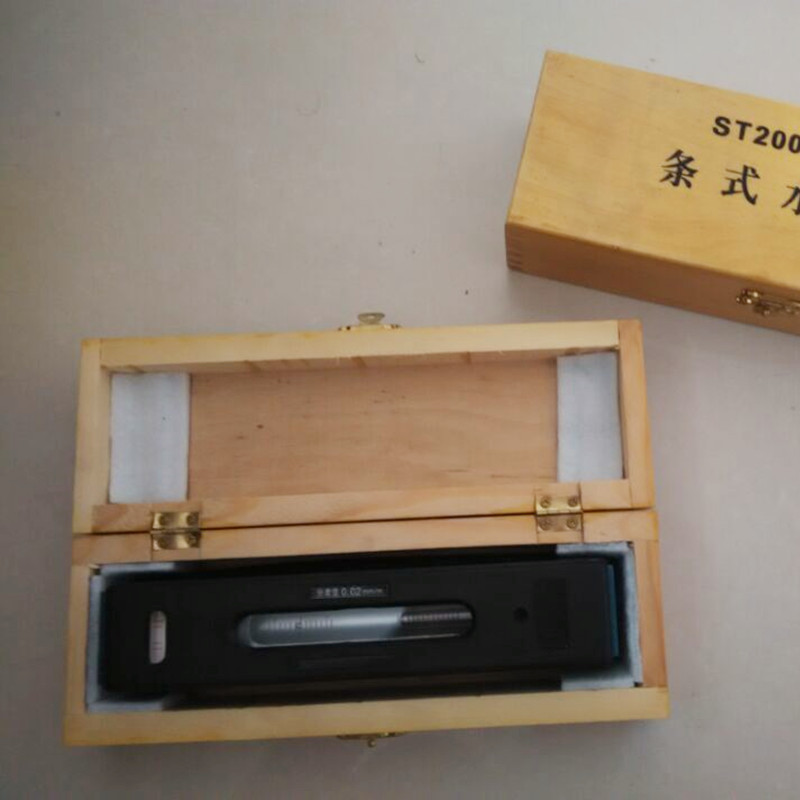
Marking a Ruler with a Spirit Level A Guide to Precision Measurement In today’s world, precision is vital across various fields, whether in construction, woodworking, or crafting. One of the simplest yet most effective tools to ensure accuracy is a ruler. However, to maximize the utility of a ruler, integrating it with another fundamental tool—the spirit level—can enhance the process of measurement and layout. This article aims to explore the method of marking a ruler using a spirit level, detailing its advantages and the steps involved to achieve precise outcomes. Understanding the Tools Before diving into the process, it's crucial to understand the two primary tools the ruler and the spirit level. A ruler, typically a flat piece of wood, plastic, or metal, is marked with measurement units. It is essential for determining lengths and ensuring straight edges. On the other hand, a spirit level is used to determine the horizontal and vertical alignment of surfaces. It consists of a sealed tube with a liquid and an air bubble. When the bubble is centered between the marked lines, it indicates that the surface is level. Combining these two tools allows for precise marking and alignment, making it possible to execute tasks that require meticulous attention to detail. Why Use a Spirit Level with a Ruler? 1. Enhanced Accuracy When working on projects requiring exact measurements, using a spirit level ensures that the ruler is positioned correctly. For instance, when marking a long line, a spirit level can confirm that the ruler is straight, reducing measurement errors. 2. Time Efficiency Mistakes often lead to rework. By ensuring a level surface from the start, one can save time that would otherwise be spent correcting misalignments. 3. Versatility This method is applicable in various scenarios, whether one is hanging a picture frame, constructing a shelf, or laying out larger building projects . The principles of marking with a spirit level remain the same, providing consistency across different tasks. marking ruler with spirit level Step-by-Step Guide to Marking a Ruler with a Spirit Level Step 1 Gather Your Materials You will need a ruler, a spirit level, a pencil, and possibly some clamps for stabilization, especially if working on larger pieces. Ensure that your workspace is clear and organized to avoid distractions. Step 2 Position the Ruler Place the ruler on the surface you wish to mark. Ensure that it is where you want to draw your line. Step 3 Use the Spirit Level Set the spirit level on the ruler. Make sure to place it at multiple points along the ruler to confirm that it remains horizontal. Adjust the ruler as needed to get the bubble centered between the lines. Step 4 Mark the Line Once you have confirmed that the ruler is level, use your pencil to draw a straight line along the edge of the ruler. Take your time and ensure that your hand is steady to prevent any mistakes. Step 5 Confirm Alignment After marking, it is wise to double-check the alignment using the spirit level once more. This ensures that your mark is level and straight, ready for the next steps in your project. Step 6 Clean Up Once you have completed your marking, clean the area and store your tools properly. Make sure to wipe any excess pencil marks that could interfere with the accuracy of subsequent measurements or markings. Conclusion Marking a ruler with a spirit level is a straightforward process that can greatly improve the accuracy and efficiency of various projects. By taking the time to ensure both tools are used in conjunction, you not only enhance the quality of your work but also cultivate a habit of precision that will serve you well in any task. Whether you are a seasoned professional or a passionate hobbyist, integrating these tools into your workflow can make all the difference in achieving those perfect measurements.
-

High quality industrial productsagement

High quality industrial products
View Details -

Meet the diverse needs of customers

Meet the diverse needs of customers
View Details -

Strict quality control

Strict quality control
View Details -

Top raw materials

Top raw materials
View Details -

Trusted supplier

Trusted supplier
View Details
Our application



news and information

Y Type Strainer Featuring Convenient Drain Valve for Efficient Fluid Filtration
Understanding Y-Type Strainers with Drain Valves In industrial settings, efficient fluid management
Válvula de puerta de 3 cuchillos
La válvula de compuerta de cuchilla al 3% es un componente esencial en muchos sistemas industriales

Water valve issues preventing proper shut off and causing leaks in the system
Troubleshooting a Water Valve That Won't Shut Off Dealing with plumbing issues can be a homeowner's
 English